
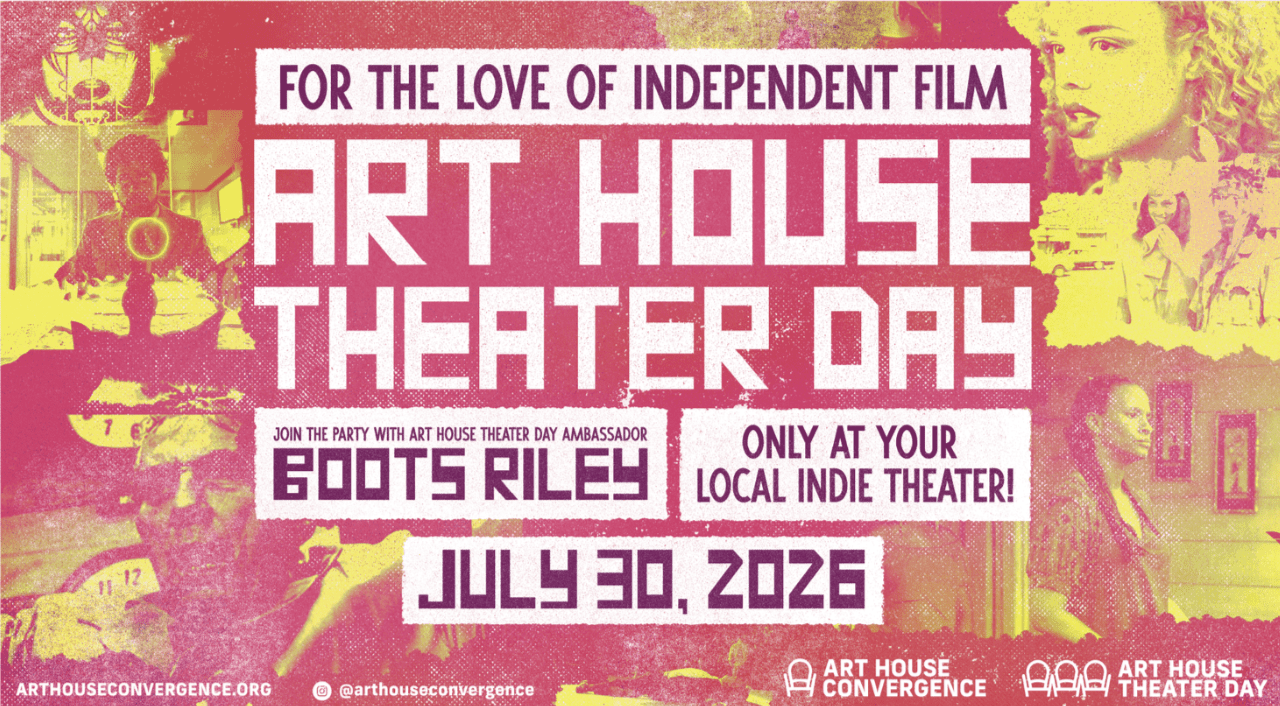
Savor Cinema is proud to participate in National Arthouse Theater Day, a nationwide celebration that recognizes the vital role independent cinemas play in enriching cultural life and fostering community through film. As one of the country’s premier nonprofit arthouse theaters, Savor Cinema is dedicated to presenting diverse, thought-provoking, and artistically significant films that inspire conversation, broaden perspectives, and connect audiences through shared cinematic experiences.
By joining fellow arthouse theaters across the nation, Savor Cinema reinforces its mission to cultivate a deeper appreciation for film as an art form while supporting the independent exhibition sector that is essential to a vibrant and diverse cinematic landscape. National Arthouse Theater Day is not only a celebration of movies but also a recognition of the important role local theaters play in strengthening communities, encouraging dialogue, and keeping the magic of cinema alive for future generations.
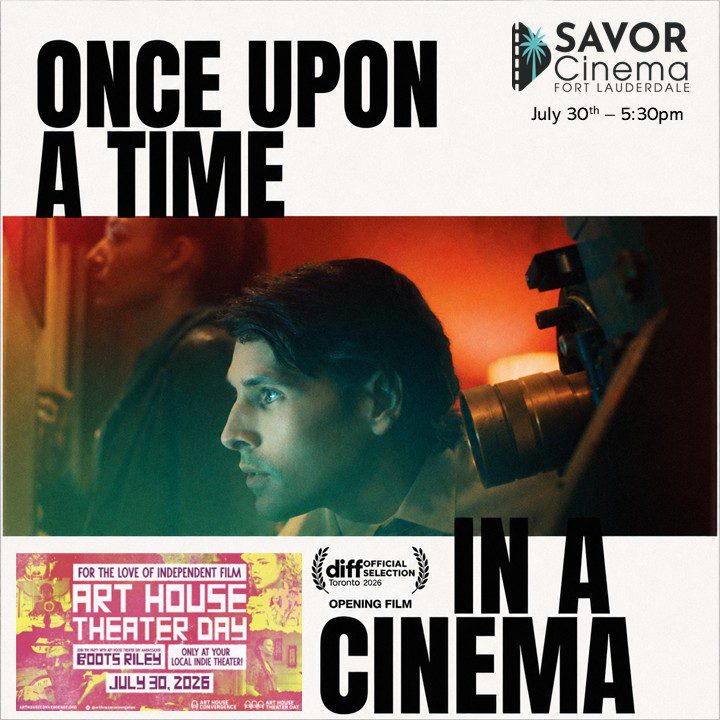
ONCE UPON A TIME IN A CINEMA
David Gleeson’s 2026 Irish comedy “Once Upon a Time in a Cinema”, is tailor-made for Art House Theater Day because the film is fundamentally a celebration of moviegoing itself. The story centers on a small-town cinema in 1980s Ireland and the people who keep it alive through chaos, setbacks, and community spirit. It was inspired by Gleeson’s own upbringing in a family of cinema owners, giving it an authenticity that resonates strongly with independent theaters.
ONCE UPON A TIME IN A CINEMA, a comedy-drama set in a small-town cinema during one eventful Friday night screening from hell. Over the course of one evening, the film follows the travails of beleaguered cinema owner Earl Clancy (Colin Morgan) as he faces a myriad of disasters, any one of which could sink him. Drawing from writer/director David Gleeson’s own experience growing up in a family of cinema owners where his father’s 78-year career marked the longest in the cinema business in Ireland, if not the world, ONCE UPON A TIME IN A CINEMA is a love letter to a peculiarly Irish cinema experience, which was as much about connecting with people as it was about the movie.